
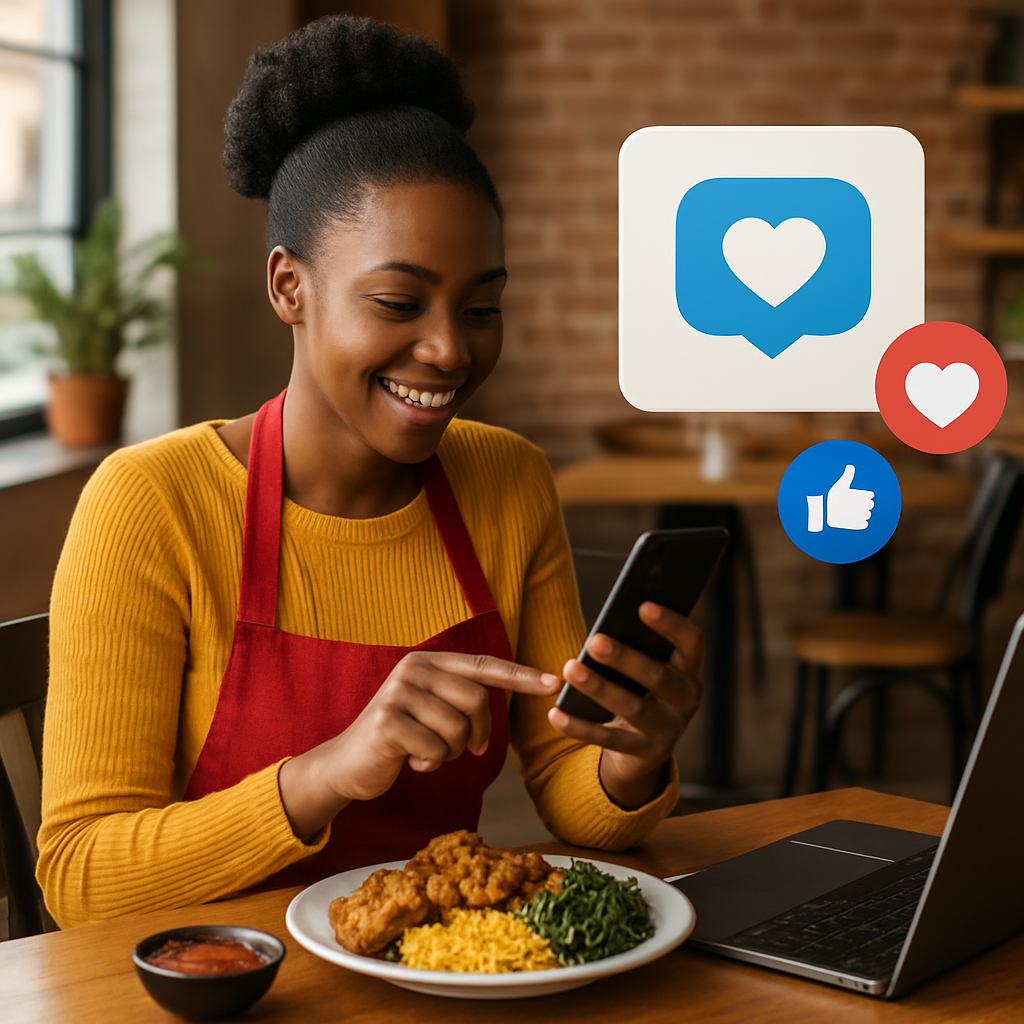
African restaurants, from Lagos suya grills to Cape Town fine dining and Nairobi vegan pop-ups, are turning social media into a growth engine. Visual platforms, messaging apps, and creator communities reduce the distance between kitchen and customer, turning everyday moments into reservations, deliveries, and loyal fans. With mobile-first audiences, rich culinary traditions, and a rapidly expanding creator economy, hospitality brands across the continent and in the diaspora are leveraging social channels not only to be seen, but to sell, learn, and build enduring customer relationships.
The social landscape: platforms, behaviors, and where growth happens
Restaurants thrive where attention is abundant and intent is local. Social media blends both. Facebook has more than 3 billion monthly active users worldwide; Instagram counts over 2 billion; WhatsApp serves over 2 billion; and TikTok has surpassed 1 billion. In many African markets, WhatsApp is the most-used social platform, with Instagram and Facebook close behind and TikTok rapidly growing among younger diners. This mobile-first usage means your menu, photos, and customer service live in the same device a diner checks dozens of times a day.
Instagram reports that 90% of people on the platform follow at least one business. For restaurants, that translates into native discovery: diners see reels of sizzling nyama choma, a story with today’s jollof special, or a carousel of seasonal mezze—and they can message to book within seconds. TikTok’s algorithm, highly tuned to short-form video, can catapult a single behind-the-scenes clip into hundreds of thousands of views, especially when paired with local hashtags and geotags. On Facebook, community groups still matter—“Where to eat in Accra” or “Nairobi Foodies”—giving local operators a steady stream of word-of-mouth.
Messaging is a commerce driver. WhatsApp Business catalogs, quick replies, and click-to-message ads create a direct line from interest to order. Mobile money simplifies payment. According to the GSMA’s 2023 industry report, there are over 1.6 billion registered mobile money accounts globally, with Sub-Saharan Africa leading adoption—evidence that the path from social message to paid order is shorter than ever.
Finally, the diaspora matters. Restaurants with a strong cultural identity can market to travelers before they land, sell vouchers or merchandise abroad, and even syndicate their recipes to creators in London, Toronto, or Paris who stoke demand among friends and family planning trips home.
Content that converts: make people hungry with ideas, not just images
Beautiful plating is not enough. Content that drives reservations and delivery orders usually blends flavor, place, and people. The fundamentals remain universal, but the strongest African restaurant accounts push cultural specificity—local ingredients, regional stories, and seasonality—to the front.
Short-form video as the hero
Vertical video rules on Instagram Reels and TikTok. Hook with motion in the first second: the crackle of oil, steam rising from injera, the hand tear of tender suya. Add captions for sound-off viewers, keep cuts tight, and finish with a clear call to action: “DM to reserve,” “Order via WhatsApp,” or “Tap link for delivery.”
Ideas that work repeatedly include: a morning market run with vendors; time-lapse of charcoal grilling; the chef narrating a spice blend; secrets to perfect chapati; staff tastings of new menu items; or a series that visits each regional dish on your menu. When possible, post in the languages your community speaks—English, French, Arabic, Kiswahili, Yoruba, Amharic—so more diners feel seen.
Carousels and stories for depth and urgency
On Instagram, carousels invite saving and sharing: “5 ways we make our jollof,” “The journey of our coffee from farm to cup,” or “Pairing guide for our tajine.” Stories, on the other hand, deliver daily urgency: a limited batch of puff-puff, an unexpected fisherman’s catch, or a power-outage update with revised hours. Pin story highlights for menus, allergens, halal status, delivery partners, and press mentions.
Copy, hashtags, and calls to action
Keep copy conversational, warm, and direct. Use a small set of local hashtags with genuine community use, such as #AbujaEats, #DurbanFood, #CasablancaDining, or #KampalaFoodies. Tie in weekly rituals—“Fufu Friday,” “Seafood Saturday,” “Sunday Brunch”—so fans anticipate posts. Always add a call to action: reserve, pre-order, DM, or tap a link. The most overlooked line on restaurant posts is the conversion line: the one that tells people exactly what to do next.
The 10-power words of hospitality marketing
Across posts and replies, keep these concepts top of mind: authenticity, storytelling, community, engagement, consistency, influencers, analytics, conversion, retention, and ROI. Use them as a checklist before you publish or plan a campaign.
WhatsApp as a revenue engine: from DMs to delivered meals
For many African restaurants, WhatsApp is the most important sales channel disguised as a chat app. It’s where customers ask about today’s stew, where office managers place group orders, and where loyal diners share your weekly specials with family groups.
Build a frictionless order flow
- Set up WhatsApp Business with a complete profile, address, hours, and a menu catalog with item photos and prices.
- Use quick replies and labels to triage inquiries, reservations, and catering requests. Color-code labels for “New,” “In Progress,” and “Payment Pending.”
- Run “click-to-WhatsApp” ads on Instagram and Facebook so hungry scrollers enter a chat with pre-filled prompts like “I’d like to order the jollof special for pickup at 1 pm.”
- Share secure payment options and receipts via mobile money links or integrated payment gateways supported locally.
Broadcast lists and loyalty
Broadcast lists let you send specials to opted-in customers without creating noisy groups. Start with weekly messages: rotating lunch deals, seasonal soups, pre-order windows for holiday menus, or early-bird tables for live music nights. Offer loyalty stamps via chat—every fifth order gets a dessert on the house—and track them with simple labels tied to phone numbers.
Service-level agreements and etiquette
The biggest risk of social messaging is slow response. Set a visible response-time promise, even if it’s “We reply within 10 minutes from 10am–10pm.” Use automated “away” messages to share hours and alternative booking links. In local groups, share menus as images plus text for accessibility and compress videos for low-bandwidth users.
Influencers, creators, and the power of micro-communities
From Accra food photographers to Nairobi street-food vloggers and Cape Town wine TikTokers, creator ecosystems around African dining are thriving. You don’t need celebrity budgets to benefit. Micro-influencers—1,000 to 50,000 followers—often deliver stronger trust and local reach at a fraction of the cost.
How to select the right partners
- Alignment over size: choose creators who already love your cuisine and whose comments show local, authentic followers.
- Format fit: if your hero dish is visual in preparation, pick short-form video specialists; for deep-dive regional cuisine, partner with storytellers who write or podcast.
- Clear offers: invite creators to limited tasting menus or behind-the-scenes market runs; offer booking links with trackable codes.
Negotiation and disclosure
Barter deals with meals can work, but clarity protects both sides. Define deliverables, posting dates, and usage rights. Require proper ad disclosures (#ad, Paid Partnership) to meet platform and local advertising rules. Repurpose creator content in your ads (with permission) to amplify social proof.
Paid social that respects small budgets
With even $5–$20 per day, restaurants can reach the right people near their door. Efficiency comes from tight geography, message-match, and ruthless simplicity.
Campaign blueprints
- Local awareness: 1–3 km radius around your location; creative shows exterior, hours, and a first-order incentive.
- Click-to-WhatsApp: for delivery and pre-orders, targeted to neighborhoods you can serve in under 45 minutes.
- Event push: 5–7 days before a live band, wine pairing, or chef’s table; retarget people who watched 3+ seconds of your teasers.
- Reels booster: promote your best-performing organic reel to similar lookalike audiences.
Keep one message per ad, one CTA, and one menu item as the hero. Rotate creatives weekly until you find consistent winners; then scale spend slightly, not dramatically, to avoid ad fatigue.
From social to operations: menus, delivery, and guest experience
Social media growth collapses without operational readiness. Align menus, packaging, and delivery so your promise online matches the plate at the table—or the container on the bike.
Menus that travel and menus that post
Design delivery menus for durability: grilled meats with sauces packed separately; salads with dressings on the side; stews in insulated containers. For dine-in, include visual cues that encourage sharing: a table-side pour, flambé moments, and colorful platters that beg to be photographed. Add QR codes on tables linking to your Instagram and TikTok, and include a small sign encouraging tagging for a chance to win dessert.
Delivery partners and hybrids
Balance third-party couriers (Uber Eats, Bolt Food, Mr D, Glovo in select markets) with direct WhatsApp ordering. Third-party apps bring incremental demand but charge commissions; direct orders preserve margins and customer data. Announce limited in-app exclusives to maintain presence while making the best dishes and bundles available direct.
Customer care loop
Implement a same-day follow-up message for first-time delivery customers: “How was your order? Anything we can improve?” If there’s an issue, offer a swift remedy. Turning a mistake into a graceful recovery creates long-term fans and reduces negative reviews on public pages.
Measurement and the money question: proving what works
Likes don’t pay rent; conversions do. Choose a small set of metrics that connect to revenue and iterate weekly. The simplest stack includes reach (how many new eyes), saves and shares (future demand), DMs/calls (intent), and orders/reservations (conversions). Map each post type to an outcome: reels for reach, stories for urgency, carousels for education, and DMs for closing the sale.
Attribution on a shoestring
- UTM links in bios and stories to track visits to your menu or reservation page.
- Unique coupon codes per channel (IG10, TT10, FB10) to track first orders.
- Ask “How did you hear about us?” in WhatsApp order forms or at the host stand.
- Enable click-to-call buttons and track call volume from Instagram and Facebook.
On Google Business Profile, monitor direction requests and photo views; even if it’s not “social,” it complements discovery driven by your social presence. Over time, benchmark cost per reservation or cost per first order from paid campaigns to inform budgets.
Diaspora and cross-border opportunities
African cuisine resonates globally. If you operate in travel hubs or have diaspora-heavy tourist seasons, plan content that reaches people before they arrive. Promoted reels in UK, France, UAE, or US cities with large diaspora populations can seed intent weeks ahead of holidays or festivals. Offer gift cards purchasable online, promote chef’s tastings timed with festival calendars, and pitch travel creators who publish “Where to eat” guides for visiting family.
For restaurants with packaged products—sauces, spice rubs, coffee—partner with diaspora groceries and online African food stores. Social proof from local chefs and creators back home can drive shelf lift abroad and reinforce your brand’s origin story.
Reputation management: reviews, crises, and communications
Reviews across Facebook, Instagram comments, Google Maps, and TripAdvisor shape first impressions. Establish a response ritual: thank the positive, address the negative publicly with humility and an offer to make it right, and move sensitive conversations to DMs. A 24–48 hour response window is a good baseline.
Plan for power outages, weather disruptions, or supply shortages. Share honest updates in stories with alternatives: a shorter menu, adjusted hours, or pop-up grills outside. Your tone during tough days becomes part of your brand; transparency earns trust and sustains retention when things are rocky.
Compliance, accessibility, and inclusion
Operate with respect for local laws and guests’ needs. In South Africa, POPIA sets data-protection rules; in Nigeria, the NDPR applies; if you market to EU residents, GDPR obligations may arise. Get consent for broadcast lists, store minimal personal data, and honor opt-outs. For sponsored content, require clear labeling from creators to meet advertising standards.
On accessibility, add alt text to images, include text in stories, and list allergens and halal/vegan status where relevant. Provide phone and chat booking options for people with different needs, and keep your address, hours, and parking details easily visible across profiles.
Case snapshots: strategies in action
Coastal Grill, a mid-price seafood spot in Mombasa, reoriented its Instagram to short-form video: daily reels of the morning catch, quick staff interviews, and table-side filleting. They paired this with click-to-WhatsApp ads targeted within 5 km, featuring a “Grilled octopus lunch for two” bundle. The owner used broadcast lists to alert office districts about express lunch boxes. Result: a steadier weekday lunch trade and booked-out Fridays, with WhatsApp serving as the reservation ledger and feedback loop.
Urban Injera, a casual Ethiopian restaurant in Johannesburg, built its community via language and education. They posted carousel explainers on teff, fermented dough, and spice profiles, plus stories demystifying eating with hands. Micro-influencers from local foodie circles attended a “Taste of Addis” night with a set menu, all disclosed as collaborations. The restaurant turned the most engaging creator content into Reels ads, which drove a stream of first-time diners who later joined a WhatsApp list for midweek specials.
Night Market BBQ in Accra leaned on TikTok. The team filmed charcoal theatrics at peak service, added on-screen prices, and pinned user-generated clips from fans. They offered a weekly “Suya-at-Home” pack via WhatsApp for Friday deliveries. When a holiday fuel shortage threatened weekend service, they posted an honest update and pivoted to a limited grill menu with extended pickup hours—earning supportive comments and consistent orders despite constraints.
A 90‑day playbook for any African restaurant
Days 1–14: Foundation and hygiene
- Pick two primary platforms (e.g., Instagram + WhatsApp) and one secondary (TikTok or Facebook).
- Upload complete profiles: address, hours, reservation/delivery links, dietary tags, and story highlights.
- Shoot a bank of 30 content pieces: 15 short videos, 10 photos, 5 carousels. Standardize lighting and aspect ratios.
Days 15–45: Publish and learn
- Post 4–6 times per week: 3 reels, 1 carousel, 1–2 stories per day covering specials and service updates.
- Reply to every comment and DM within your promised SLA; save FAQs as quick replies.
- Test two “click-to-WhatsApp” ad sets with different creatives targeting a 3–5 km radius.
Days 46–75: Optimize for revenue
- Add unique discount codes to bios and stories; track redemptions.
- Launch a broadcast list for weekday lunch or weekend brunch with opt-in incentives.
- Host a micro-influencer tasting; secure content usage rights for paid amplification.
Days 76–90: Scale your winners
- Increase spend on the best-performing ad by 20–30% and pause under-performers.
- Spin your highest-performing reel into three variants (new hook, new caption, new CTA).
- Introduce a monthly event—chef’s table, live music, guest pitmaster—marketed as a limited ticket via WhatsApp.
Common mistakes that quietly kill growth
- Inconsistent posting and no content bank, leading to silent weeks.
- All beauty, no CTA: mouthwatering visuals with no direct path to order or book.
- Copying global trends without local cultural cues, language, or pricing context.
- Ignoring DMs and comments; people treat social channels as customer service.
- Relying solely on third-party delivery apps and forfeiting customer data.
- Over-discounting; train customers to wait for deals rather than develop habits.
- No contingency posting during outages or shortages; silence breeds speculation.
- Forgetting to pin practical info—hours, parking, halal/vegan, allergens—in highlights.
The road ahead: social commerce and creative hospitality
Social media in African hospitality is moving from promotion to transaction. Deeper integrations—native ordering, in-chat payments, loyalty wallets, and table management bots—will further compress the gap between craving and consumption. Creators will evolve into collaborative menu developers, pop-up partners, and equity stakeholders in bold new concepts. Live video and AR will let diners “taste before they taste,” previewing ambience and plating before they book.
Through it all, the restaurants that grow will be those that combine operational reliability with a distinct voice online. They will celebrate origin stories, spotlight producers, and invite guests into the making of the meal. They will measure, iterate, and protect margins while staying true to culture. In a mobile-first continent where food is both sustenance and celebration, social media is the table where diners and chefs meet—sometimes literally—every day. The opportunity is not just to be seen, but to build a living, breathing brand that feeds a neighborhood and a diaspora with equal care.