
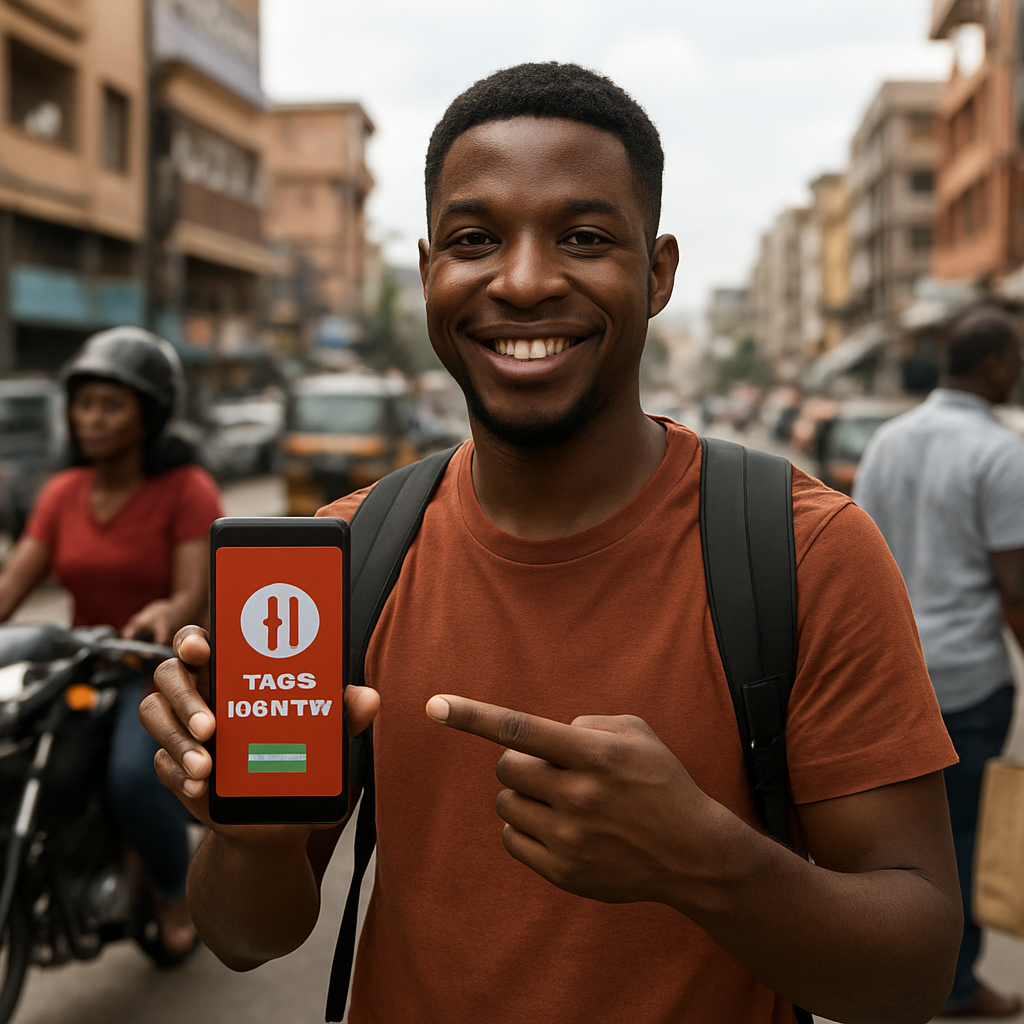
Food delivery apps in African cities sit at the crossroads of rapid urbanization, mobile-first behavior, and a vibrant street-food culture. Winning isn’t just about slick creatives or bigger discount budgets; it’s about reducing friction for price-sensitive customers, aligning with local payment realities, and speaking the languages of neighborhoods as much as nations. This guide blends strategy, practical playbooks, and data-informed insights to help teams scale sustainably across diverse African metros—from Cairo and Casablanca to Lagos, Nairobi, Accra, Abidjan, Kampala, Addis Ababa, and Johannesburg.
The urban opportunity and why African cities are different
Sub-Saharan Africa is one of the fastest-urbanizing regions in the world. The United Nations has consistently projected that African cities will add hundreds of millions of residents by 2050, creating dense consumer catchments where delivery logistics can thrive. The median age across the continent sits under 20, pushing digital behaviors that favor mobile discovery and impulse ordering. Yet these structural tailwinds meet equally structural constraints: informal addressing, congested roads, variable purchasing power, and uneven coverage of card rails. These constraints are not simply hurdles; they are design inputs for marketing strategy and product experience.
- Smartphone momentum: GSMA data indicates that roughly half of mobile connections in Sub-Saharan Africa now use smartphones, with steady year-on-year gains. Feature phones remain important, which keeps USSD and “lite” experiences relevant.
- Mobile money dominance: Sub-Saharan Africa processes the majority of global mobile money value, making wallets such as M-Pesa, MTN MoMo, Airtel Money, and Orange Money essential. Consumers trust these instruments more than cards in many markets.
- Affordability thresholds: The Alliance for Affordable Internet has shown that in several countries 1GB of data still exceeds the 2% of monthly income affordability target. Ad creatives, app payloads, and retargeting need to respect data sensitivity.
- Address ambiguity: Informal settlements, nameless streets, and multiple languages require map pins, landmarks, rider calls, and WhatsApp location-sharing to secure accurate drop-offs.
- Cultural rhythms: Friday family dinners, Sunday braais, Ramadan iftars, fasting and feast days, football derbies, rainstorms, and load-shedding windows all reshape peak demand curves. Marketing should anticipate these pulses.
Market signals and realistic benchmarks
Across key African metros, total addressable demand for prepared food delivery is rising, but market maturity varies widely. Large cities with robust restaurant density, higher per-capita income, and established e-commerce habits (e.g., Johannesburg, Cape Town, Nairobi) show deeper order frequency and higher average order values than many secondary cities. Marketers should build city-level P&Ls and scorecards rather than treating countries as monoliths.
- Top-of-funnel economics: As a directional guide, paid mobile app install costs often clear in the $0.40–$2.00 range depending on market and seasonality, while cost per first order can land between $3–$10 when combining incentives plus media. Expect higher costs in premium neighborhoods and during peak sports or holiday periods.
- Average order value (AOV): Ranges can stretch from the equivalent of $6–$15 for solo meals to $20+ for family baskets. Bundling, beverages, and desserts are critical to lift AOV without alienating price-sensitive users.
- Early retention: A Day-7 order repeat rate around 15–30% is a reasonable starting target in many cities; sustained Month-3 activity above 25% of Month-1 buyers often indicates product-market fit in the core audience.
- Promotions: Discount dependence is common early on. Healthy cohorts typically trend toward promo incidence under 40% of orders within 90 days.
Note that large regional shake-ups in 2023–2024 revealed how fragile unit economics can be. Some major players exited or refocused markets where scale could not offset last-mile and acquisition costs. Marketing must therefore own efficiency, not just volume.
Acquisition playbook: from first click to first bite
Own organic discovery before scaling paid
- App store presence: Localize listings into English, French, Arabic, Portuguese, Swahili, Hausa, Amharic, Yoruba, and other major languages depending on city footprint. Use lifestyle screenshots with neighborhood cues, not generic stock food images.
- Hyperlocal SEO: Create city and neighborhood pages with merchant lists, cuisines, delivery times, and price tiers. Claim and maintain Google Business Profiles for each coverage zone and promote “Order online” deep links.
- Maps and navigation: Ensure Google Maps and Apple Maps display accurate service radiuses and hours, with UGC photos and recent reviews to build credibility.
Paid media that matches intent and bandwidth
- Meta and TikTok: Short-form video with upfront price anchors (“Meals from X”), 6–10 second cuts, and heavy subtitles. Test creative showing rainy-day “stay-in” moments and football watch parties; both predict higher conversion.
- Search: Bid on cuisine + neighborhood (“pizza Lekki”, “shawarma Heliopolis”, “nyama choma Westlands”). Structure SKAGs for high-intent terms; throttle broad match in cities with homonyms or shared place names.
- Lightweight formats: Favor JPG/MP4 under 1–2 MB. Use adaptive bitrate for video. The metric to watch is install-to-first-order within 7 days, not CTR vanity numbers.
Influence with people, not just posts
- Micro-influencers and food creators: Recruit neighborhood micro-creators (5k–50k followers) with authentic, low-fi kitchen and street-food content. Compensate in cash plus vouchers and track with dynamic promo codes per creator.
- Campus and workplace ambassadors: Students and office managers shape lunchtime habits. Equip them with QR codes tied to cohort-level incentives and track adoption per building or campus.
- Community radio and vernacular OOH: Short radio spots in local languages during commute slots; murals near transit hubs featuring merchant partners and WhatsApp order flows.
Offline-to-online bridges
- Table toppers and takeaway bags: Co-branded materials in partner restaurants with first-order promos and QR deep links to cart prefilled with that venue’s top sellers.
- Rider visibility: Branded delivery boxes and reflective vests double as roving billboards. Include near-field stickers at guarded estate gates where many orders cluster.
- USSD and WhatsApp starters: Offer a USSD string to discover coverage and a WhatsApp business entry point that resolves new-user questions without downloading the app.
Onboarding designed for price sensitivity
- Simple, honest incentives: “Free delivery up to X” or “50% off first order up to Y” beats complex mechanics. Show eligible restaurants clearly to reduce disappointment.
- Phone-first sign-up: Streamline OTP verification; no forced email. Offer guest checkout when legal and risk controls allow.
- Preloaded carts: Let creators and ads deep link into ready-made carts. Reduces cognitive load, especially on slower devices.
Frictionless conversion: UX, language, and payments
Design for bandwidth and devices
- Light app and PWA: Keep APK size lean and provide a performant PWA fallback. Cache menus and images. Offer “data saver” mode that defers high-res photos.
- Addressing without addresses: Map pins, nearby landmarks, estate names, and “driver instructions” fields. Add one-tap WhatsApp location share. Consider what3words support where adoption exists.
- Language layers: Default to phone language but show quick toggles for major local languages; many households switch between two or more.
Payments that people actually use
- Mobile money by default: Prioritize wallets and show live status of wallet rails. Auto-detect available methods by SIM and city.
- Cash on delivery with safeguards: COD remains material in many cities. Use dynamic COD limits for new users, verify via OTP, and promote switch to digital on second order with small credits.
- Failed-payment rescue: When a card or wallet fails, keep the cart alive and offer an immediate fallback method via a smart bottom sheet. Trigger WhatsApp/SMS with a recovery link.
- Bill splitting: Allow shared payment links for group orders; popular with roommates and office teams.
Speed and reliability signals
- Transparent ETA bands: Communicate traffic and weather driven variability. Underpromise, then delight with early arrivals.
- Inventory trust: Sync popular items and mark sell-outs fast. Broken promises damage LTV more than any single discount can repair.
- Hotline and chat: Provide a local accent call-back option during peaks. Even 2–3 lines of empathetic support copy reduce churn after late deliveries.
Retention, frequency, and lifetime value
CRM that respects channels and cost
- Channel mix: Push for high-frequency nudges; SMS and WhatsApp for high-importance or payment messages. Keep WhatsApp conversational, not spammy.
- Lifecycle sequencing: New users receive a 3-order challenge across 10–14 days, each with small step-down incentives. Lapsed users get cuisine-specific offers based on prior preferences.
- Weather and event triggers: Rain in Lagos, a derby in Cairo, or load-shedding in Johannesburg can each drive segmented promos with higher margin buffers.
Loyalty mechanics that fit wallets
- Stamps and tiers: Earn a stamp per order over a threshold; 5 stamps unlock a free delivery or side. Keep accrual values simple and visible.
- Subscription passes: Monthly free-delivery passes improve predictability and tighten cohorts. Bundle with select merchants where margins allow.
- Family bundles: Weekend bundles for 3–5 people with fixed prices increase AOV without feeling expensive.
Menus and merchandising
- Value lanes on home screen: Create “Under X” price categories and “2 for 1” sections. Place beverages and staples as persistent add-ons.
- Smart recommendations: Cross-sell sides with high prep reliability and margins. Use cuisine-level models; don’t overfit to sparse user histories.
- Cultural calendars: Ramadan suhoor/iftar bundles, Christmas and Eid platters, Independence Day treats, and back-to-school lunch deals.
Partnerships that bend the curve
- Merchant enablement: Photography, packaging guidance, and prep-time SLAs reduce cancellations and improve ratings. Consider micro-grants for kitchens to buy warmers or sealing machines.
- Virtual brands and cloud kitchens: Create delivery-only brands to fill cuisine gaps and daytime capacity in partner kitchens. Use search data to decide cuisines per neighborhood.
- Telco alliances: Zero-rate parts of the app or PWA, or bundle monthly data + delivery passes. This directly tackles data affordability barriers.
- Wallets and banks: Co-branded cashback on specific weekdays, with shared funding. Keep redemption instant to build habit.
- Corporate accounts: Office meal programs with spend caps and consolidated invoicing. This creates weekday anchors for demand.
Unit economics and pricing discipline
Marketing must internalize how each lever impacts contribution margin. In many African cities, the delivery fee funds most of the last mile, while take rates from restaurants vary widely. Volatility in fuel prices, exchange rates, and inflation adds pressure to keep promotional spend variable and responsive.
- Fee architecture: Set delivery fees by micro-zones and time bands. Use small “nearby” discounts to steer orders to closer kitchens during traffic spikes.
- Coupon hygiene: Cap stackability. Move from blanket codes to SKU-level discounts. Show pre-discount prices to maintain perceived value.
- Bundle engineering: Family bundles reduce per-person cost while lifting absolute margins. Anchor them on popular proteins to ease decision fatigue.
- Rider batching: Marketing can influence batching with promos that highlight merchants near each other, improving route density.
Data, measurement, and experimentation
Attribution that survives signal loss
- Incrementality over attribution: Run geo or time-based holdouts, not only post-view metrics. Where privacy limits device-level tracking, simple lift tests often reveal more than complex MTA models.
- MMM light: A lightweight media mix model by city—updated quarterly—helps reconcile online and offline pushes (radio, OOH).
- First-party events: Invest in clean event taxonomy (viewed menu, added to cart, payment initiated, payment failed, ETA viewed, order completed) and expose it to marketing via self-serve dashboards.
Experimentation culture
- A/B cadence: Maintain at least one pricing, one creative, and one CRM experiment per city per week during growth phases.
- City cohorts: Treat new coverage zones as separate cohorts. Freeze big campaigns until first 1,000 orders unlock baseline metrics.
- LTV forecasting: Build simple survival models to segment users into expected order-frequency bands; steer incentives to high-potential but at-risk cohorts.
Trust, safety, and reputation
- Food safety and hygiene: Visible merchant hygiene scores, sealed packaging, and “tamper-evident” cues in creatives build confidence.
- Rider identity: In-app rider photo, plate number, and one-tap call. Offer PIN on delivery in estates that request it.
- Ratings that matter: Highlight aggregate ratings and top dishes; reward merchants that reliably hit ETAs with extra visibility.
- Fair dispute policy: Instant credits for cold or missing items reduce churn. Follow up with proactive “we heard you” messages in the local language.
City archetypes and localized tactics
Mega- metros with extreme traffic
- Focus on micro-fulfillment and cloud kitchens near dense estates and office parks.
- Ad creatives promise reliability, not just speed. Promote “order before 5 pm” for dinner to dodge peak gridlock.
Secondary cities with rising middle class
- Neighborhood-led influencer programs, street banners, and weekend market pop-ups to build legitimacy.
- Lower CAC through WhatsApp ordering and referral loops; fewer national campaigns.
Tourist and expat-heavy hubs
- Multilingual support and international cards. Partner with hotels and co-working spaces for newcomer welcome packs.
- Seasonal ramps for festivals and high-tourism months; default to cross-sell “local favorites.”
12-month roadmap template
- Quarter 1: Validate coverage zones, lock payment rails, ship lite/PWA, launch micro-influencer and ambassador programs. Establish CRM stack and baseline ETAs.
- Quarter 2: Expand merchant mix, introduce family bundles and loyalty stamps. Run first geo holdout tests on media. Pilot telco or wallet partnership in one city.
- Quarter 3: Launch subscription pass, deepen hyperlocal SEO, optimize fee architecture by time/zone. Spin up first two virtual brands to fill cuisine gaps.
- Quarter 4: Peak-season readiness—forecast, recruit riders, and pre-book OOH near malls and stadiums. Tighten promo incidence and protect margins with bundle-led offers.
Creative principles that convert
- Lead with value: Price floors, “under X” menus, and free-delivery zones. Make savings legible in one glance.
- Show real life: Rain on the window, campus dorms, family TV time—scenes that mirror everyday African city living.
- Feature trust cues: Merchant hygiene seals, wallet logos, and rider identity tiles.
- Language matters: Mix regional lingua francas with local dialect phrases in headlines; test and iterate.
What to track every week
- Install-to-first-order conversion within 7 days by channel and city.
- New buyer CAC and blended CAC; promo cost per completed order.
- AOV and margin after discounts and last-mile costs.
- D7, D30 re-order rates; CRM channel performance (push, SMS, WhatsApp).
- On-time delivery rate and cancellation reasons split by merchant.
- Payment success by method; rate of COD-to-digital conversion.
Common pitfalls and how to avoid them
- Over-centralized messaging: Country-level campaigns that ignore city nuances underperform. Localize down to neighborhoods.
- Discount addiction: Transition from one-off coupons to loyalty stamps and bundles early. Tie marketing bonuses to contribution margin, not just GMV.
- Ignoring data costs: Heavy creatives and push spam erode goodwill. Keep assets light; consolidate messages.
- Payment myopia: Underinvesting in mobile money onboarding and recovery flows leaves money on the table.
- Weak merchant ops: Great marketing can’t outpace sloppy prep times. Fund basics like packaging and photography.
Seasonality and demand shaping
- Ramadan and religious holidays: Pre-build suhoor/iftar menus, adjust rider shifts for evening peaks, and co-market with relevant charities or food drives.
- Rain and heat: Weather triggers justify small delivery-fee offsets; emphasize comfort and reliability.
- Sports calendar: Big match nights favor shareable combos; pre-sell with countdowns and limited-edition sauces or desserts.
Strategic levers for durable advantage
- Partnerships with telcos and wallets that remove data and payment friction.
- Hyperlocal content and coverage shaping that maximize route density.
- Merchants and logistics tuned to the city’s real traffic patterns.
- Affordability-first merchandising and bundles that protect margins.
- Rigorous experimentation and holdout testing for true incrementality.
- Relentless trust-building through safety, support, and transparency.
- Optimized payments mixes with mobile money as a first-class citizen.
- CRM that lifts retention with relevant, light-touch messages.
- Data-informed acquisition that targets intent over impressions.
- City P&Ls that translate growth into sustainable growth—not just burn.
Final thoughts
Marketing food delivery apps in African cities is a craft defined by local truths. The winners make it painless to discover value, effortless to pay, and dependable to receive—every time, even when the weather turns or the power goes out. They treat every neighborhood as its own mini-market, speak to households in their languages, and build systems that respect bandwidth and budgets. Blend disciplined performance marketing with community presence, optimize for the payments people actually use, and measure incrementality ruthlessly. Do this, and your brand becomes more than an app icon on a phone; it becomes a habit woven into everyday city life.