
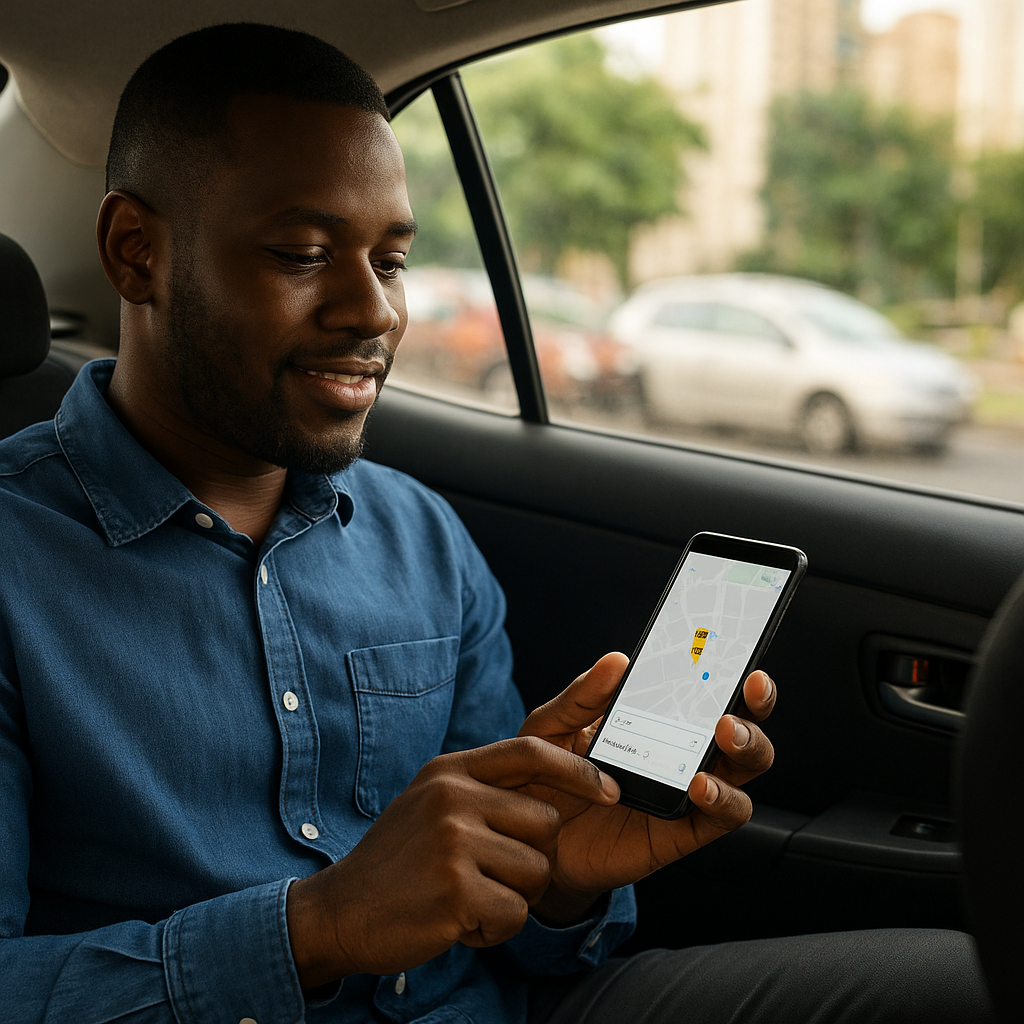
Ride-hailing in Africa sits at the intersection of rapid urbanization, uneven transport infrastructure, and a mobile-first internet. Marketing teams for these platforms work across both digital and street-level realities: they must win trust in neighborhoods where word-of-mouth rules, make onboarding possible for first-time app users, translate offers into dozens of languages, and minimize data usage while proving everyday value. This article unpacks how ride-hailing apps tailor acquisition, activation, and retention for African consumers—what channels they use, why messages are framed the way they are, and which growth loops actually compound in cities from Lagos to Nairobi, Accra to Johannesburg.
The digital and mobility context shaping strategy
Any marketing plan begins with the infrastructure. In Sub-Saharan Africa, GSMA estimates there were roughly 515 million unique mobile subscribers in 2022, and smartphone adoption is on track to surpass 60% in the mid-2020s. Mobile internet usage continues to rise, though a sizable usage gap persists because of affordability and skills barriers. For many consumers, WhatsApp is the default internet; Facebook, Instagram, and increasingly TikTok act as discovery engines; Google Search and Maps remain important for intent. Data costs are still meaningful in several countries—industry groups have noted that 1GB can exceed 2% of monthly income in some markets—so apps that are small, fast, and offline-aware convert better.
Payments define the purchase funnel. GSMA’s State of the Industry reports that mobile money now processes over a trillion US dollars in transactions annually, with Sub-Saharan Africa accounting for a majority of global value. Kenya’s M-Pesa is the archetype, but wallet ecosystems are vibrant across Ghana, Côte d’Ivoire, Tanzania, and beyond. At the same time, cash remains crucial for ride-hailing penetration, particularly in early-stage cities and among new-to-app riders. Successful apps therefore treat payments as a segmented product: they market cash-first convenience to early users, mobile wallet rewards to the mainstream, and card-based subscriptions or corporate accounts to power users and businesses.
Mobility demand is intense. Mega-cities experience chronic congestion and gaps in public transit coverage. Two- and three-wheeler taxis (boda boda, okada, kekes) dominate in East and West Africa for speed and last-mile access. Marketing copy that emphasizes reliable ETAs, predictable pricing, and the ability to skip chaotic queues consistently outperforms generic convenience claims.
The channel mix: online reach, offline credibility
Effective marketing in African ride-hailing blends performance digital with high-touch offline activity. Pure-play app installs rarely suffice; trust is earned in streets, bus parks, matatu stages, university campuses, and market days.
- WhatsApp as CRM and growth: Broadcast lists, status posts, and community groups amplify promotions, safety tips, and product updates at near-zero cost. Click-to-WhatsApp ads on Facebook/Instagram reduce friction compared with click-to-site funnels. WhatsApp chatbots handle FAQs (how to pay, how to share a trip, how to invite friends) and can route to support. Deep links from WhatsApp directly to in-app coupon redemption drive first-ride conversion.
- Social platforms as discovery: Short-form video on TikTok and Instagram Reels featuring local comedians, skit-makers, and campus influencers explains codes of conduct, “how to” flows, and referral benefits in local dialects. Live streams during peak events (concerts, football matches) coupled with geofenced promo codes deliver high-intent installs.
- Search and map surfaces: App Store Optimization (localized titles, screenshots showing city landmarks, and reviews in local languages) plus Google App Campaigns targeting “taxi near me,” “safe ride home,” or “airport transfer [city]” catch high-intent prospects. Marking airport pickup zones and major malls inside Maps with clear instructions reduces drop-off in first-ride attempts.
- SMS and voice: Transactional and lifecycle nudges via SMS outperform push notifications when data is expensive or coverage is spotty. IVR or missed-call back features help non-data users register interest and receive download links or USSD steps.
- Offline presence: Street teams at transit hubs demonstrate the app, assist with installs, and hand out physical referral cards. Co-branded signage with safe pickup points (shopping centers, campuses, stadiums) both aids operations and doubles as out-of-home branding. Market days and festivals offer high-yield activations; an on‑site code that waives the “first 2 km” can create immediate trials.
- Telco partnerships: Zero-rated app usage for sign-up flows or wallet top-ups, co-marketed data bundles (Ride + Social bundle), and SIM swap kiosks at activations reduce friction for first-timers and improve ROAS on paid campaigns.
Positioning that converts: trust, safety, affordability
Across cities, three promises dominate the highest-performing creative: you will arrive safely, you will not be overcharged, and you will be treated with respect. The language is specific and local, not generic.
- Trust and safety: Ads highlight features such as trip sharing, number masking, SOS buttons connected to local responders, and in-app driver ratings in the rider’s preferred language. Where women-only ride categories exist, these are promoted with clear hours and areas of availability. Visuals show familiar landmarks and daylight scenes to reduce perceived risk.
- Transparent price: Showing upfront fares, fare breakdowns, and “no cash negotiation” copy is especially persuasive where street-hailing traditionally involves bargaining. Explaining surge logic in plain language and offering “fare lock” promotions at peak times prevents backlash.
- Affordability frames: Messages like “rides from [low anchor fare] to [popular destination]” work when paired with real examples. Bundles (e.g., five short trips for a discounted pack price) communicate value to commuters. Where two- and three-wheeler categories operate, “Beat traffic with a bike” creatives highlight time saved, not just cost.
Payments as marketing: cash, mobile wallets, and incentives
Payment options are not back-office choices; they’re front-and-center marketing levers that broaden the addressable market and reduce checkout anxiety.
- Mobile money integration: Campaigns that offer small wallet cashbacks (e.g., 5–10% on first three rides) build muscle memory without endless subsidies. Importantly, creatives explain step-by-step how to link wallets and what to expect at trip end, reducing driver–rider confusion at drop-off.
- Cash-friendly onboarding: In early markets, leading with “Pay cash. Same price as in the app” legitimizes trials for users without cards or wallets. Drivers receive training and visual cues to accept cash and provide change, and marketing ensures riders know “no extra fees.”
- Corporate and NGO accounts: Account-based marketing to SMEs, NGOs, and field teams—offering monthly invoicing, ride policies, and route reports—creates anchor demand that stabilizes city liquidity.
- Referral mechanics that stick: In markets where family and friend endorsements dominate, two-sided referrals with fast gratification outperform complex tiers. A simple “give 20, get 20” (localized currency) credited instantly after the first completed ride is easy to explain over WhatsApp or at a bus park.
Localization beyond translation
Localization in African ride-hailing is about codes, culture, and context as much as language. The best-performing campaigns sound like someone you know.
- Localization by neighborhood: Ads reference hyperlocal routes (e.g., “Yaba to Lekki in 25 minutes at lunch”), use real-time traffic narratives, and show maps with familiar waypoints. Hyperlocal targeting on social combined with OOH near those corridors boosts relevance.
- Language and tone: Mixing English with pidgin, Sheng, Nouchi, or isiZulu in captions and VO builds affinity. The app UI itself should surface the same language used in marketing; mismatch depresses conversion.
- Calendar relevance: Campaigns tie to salary days, school reopenings, religious holidays, and football weekends, with messages about safe late-night rides or airport transfers. Timebound scarcity (e.g., “Eid mobility pack”) helps habit formation.
- Community-centered storytelling: Spotlighting drivers who are neighborhood fixtures, or riders who run small businesses, connects the platform to local aspirations. Micro-influencers and campus ambassadors often beat macro-celebrities on CPA and retention.
Supply-side marketing: when driver growth is demand growth
Reliability is the strongest brand ad. If ETAs are long, no promotion fixes churn. Marketing therefore invests as much in driver acquisition and satisfaction as in rider growth—because every new high-quality driver shortens wait times, increases acceptance rates, and sharpens the value proposition.
- Driver funnel: Facebook Lead Ads, WhatsApp lead forms, and on-site sign-up caravans at fuel stations or mechanics’ yards work well. Partnerships with vehicle financiers and motorcycle dealers convert intent into supply quickly.
- Incentive clarity: Simple, predictable earnings narratives (“Complete 12 trips for a [bonus] before 10 pm”) outperform complex ladders. Weekly earnings scorecards via SMS/WhatsApp reinforce consistency.
- Safety and dignity: Just as riders need to feel safe, drivers need to feel respected. Marketing materials that emphasize 24/7 support, safety tools, and rider conduct policies improve driver NPS and retention—feeding the reliability loop that powers organic growth.
Creative that travels light: data-light, fast, and familiar
Because data costs and device constraints matter, successful creatives are lean and legible on low-end Android phones.
- Data-light assets: 6–10 second vertical videos under 1MB with bold captions outperform glossy 30-second ads. Static carousels showing 3-step flows (open app, choose pickup, confirm fare) are easy to digest.
- Compression and caching: The app itself needs a small APK size, graceful degradation on 3G, and offline handling for route preview. Marketing claims must match this reality; otherwise first impressions sour.
- USSD and missed-call bridges: For feature phone users or low-data moments, USSD short codes for fare estimates or driver callbacks keep the brand present and widen the top of funnel for when smartphone upgrades happen.
Measurement in imperfect data environments
Attribution is tricky when many users install via sideloaded APKs, shared Bluetooth files, or phone-repair shop assistance. Marketers blend directional and causal approaches to stay honest about impact.
- North-star metrics: Cost per first completed ride (CPFR), retention at Day 30 and Day 90, and lifetime trips per rider are better optimization anchors than pure CPI. Driver-side counterparts are cost per active driver and weekly trip hours.
- Incrementality tests: Geography-based holdouts—turning off channels in matched neighborhoods for a week—estimate lift without perfect device-level attribution.
- Media mix: Lightweight MMM (media mix modeling) using weekly city-level data can guide budget splits between social video, search, and offline activations when user-level tracking is noisy.
- Store and ASO signals: Review volume, rating trends, and keyword ranks by city flag early warning on CX gaps that ad dollars cannot fix.
Regulatory alignment as a marketing asset
Public sentiment can swing fast. Positioning the brand as a partner—rather than a disruptor—builds resilience.
- Compliance storytelling: Clear communications about license compliance, driver background checks, insurance coverage, and tax remittance in the local context reduce policy risk and improve rider trust.
- Public safety partnerships: Co-branded campaigns with road safety agencies (“Don’t drink and drive—ride”) deliver both social value and organic PR. In some cities, designated safe pickup zones co-created with authorities generate positive press and real operational benefits.
- Listening loops: Community townhalls, driver councils, and transparent pricing updates avert online backlash and provide content for owned channels.
Case-flavored tactics from Lagos, Nairobi, and Abidjan
While each city is unique, a few repeatable patterns stand out.
- Lagos: Traffic is a villain everyone understands. Creative that compares “60 min danfo queue vs. 20 min door-to-door” with real landmarks resonates. Heavy use of influencers (skit-makers) to explain cash payments, referral codes, and late-night safety works. Weekend airport transfer bundles convert well due to frequent travel between the Island and Mainland.
- Nairobi: Mobile money is default. “Pay with M‑Pesa, get instant 10% back” is tangible. Two-wheeler categories shine with “beat traffic on Thika Road” anchors. Campus ambassador programs at universities, backed by ride credits during exam seasons, cultivate long-term cohorts.
- Abidjan: Language switching (French + Nouchi) in the same ad increases engagement. Co-promotions with music festivals and football matchdays create peak-week spikes. Wallet partnerships with local fintechs expand reach beyond banked users.
Retention and loyalty: beyond coupons
Discounts ignite trials; habits sustain growth. Loyalty design must reflect commuting rhythms and occasional use-cases.
- Ride passes: Weekly or monthly packs for short trips (e.g., under 5 km) fit commuters and students. Messages emphasize predictable budgets and queue-skipping, not just percent-off.
- Event-based reactivation: Payday weekends, holidays, and graduation seasons get tailored offers. Intelligent caps prevent discount abuse while keeping LTV positive.
- Tiered recognition: Badges for safe riders, early-morning commuters, or frequent airport travelers turn routine behavior into status. Occasional surprise-and-delight (free water, priority support) makes the program feel human.
Creative frameworks and message templates
Reusable structures simplify testing and localization at scale.
- Problem–solution–proof: “Stuck at [landmark]? Skip the line. Upfront price, no haggling. 1M+ safe trips this month.”
- How it works in 3 steps: “Pick a safe pickup point. See your fare. Pay cash or wallet. Done.”
- Social proof carousel: “Top-rated drivers in [neighborhood]. 4.9 stars. 2-minute average pickup.”
- Safety spotlight: “Share trip with family. SOS in-app. 24/7 support.”
Economics of promotions: doing the math
Subsidies can be a drug. The healthiest campaigns tie spend to unit economics and use guardrails that reflect city maturity.
- Cohort ROI: Calculate contribution margin per trip and breakeven rides at the campaign level. In cash-heavy cities, include cash handling friction (cancellations, change disputes) in the model.
- Cliffing and decay: First-ride coupons can decay across the first week to encourage immediate trials. Referral rewards cliff after abused thresholds.
- Telco co-funding: When data bundles are co-branded, allocate a portion of acquisition cost to the telco budget; these deals often carry in-kind media that improves effective ROAS.
Customer support as marketing
Every support ticket is a brand touchpoint. Fast, empathetic resolution—delivered over the channels customers use—drives retention and word of mouth.
- 24/7 omnichannel: In-app chat, SMS, and WhatsApp should offer consistent SLAs. For safety events, human follow-up beats templated replies.
- Proactive education: After a rider’s first cash trip, send a simple guide on tipping norms, change expectations, and how to switch to wallet or card if preferred.
- Localized help content: Short videos in local languages explaining lost-and-found, no-show policies, and surge windows preempt costly churn.
Ethics and brand stewardship
Rapid growth without care can backfire. Transparent pricing, clear driver earnings communications, and real investments in safety build long-term equity.
- Honest surge messaging: Explain why prices rise and when they drop. Offer alternatives (pooling, two-wheelers) during spikes.
- Driver dignity: Avoid ads that trivialize driver labor. Celebrate professionalism and safety ratings.
- Accessibility: Market wheelchair-friendly options or callouts where available. Partner with disability advocates for product feedback and campaigns.
What the data says: selected statistics and patterns
- Mobile-first audiences: GSMA projects smartphone adoption in Sub-Saharan Africa to cross 60% mid-decade, up from under half in 2022. Campaigns that assume mobile as the only screen outperform multi-device assumptions.
- Mobile money scale: Global mobile money transaction value exceeded US$1T in 2022, with Sub-Saharan Africa responsible for the majority share. Wallet-linked promotions typically show higher repeat ride rates than card-only incentives in these markets.
- Messaging dominance: In many African countries, WhatsApp usage among internet users commonly exceeds 80%. Click-to-WhatsApp campaigns produce lower cost-per-conversation and faster first-ride conversion than click-to-website in comparable tests.
- Data sensitivity: Affordability research indicates 1GB data can take a meaningful share of income in several countries; lightweight creatives and compressed app builds correlate with higher install-to-ride rates.
- Cash significance: Cash remains a substantial share of rides in early-maturity cities; positioning cash as equal-price and safe (no haggling) reduces abandonment.
Playbook checklist for new-city launches
- Pre-launch: Map mobility archetypes (commuters, airport travelers, nightlife). Secure telco and wallet integrations. Recruit anchor driver cohorts and train on safety scripts and cash handling.
- Launch: Hyperlocal video and OOH near transit hubs. Street teams with QR and USSD. Two-sided simple referrals seeded through campus and market influencers.
- Post-launch: Ladder incentives down as ETAs stabilize. Introduce bike or auto-rickshaw categories if traffic realities warrant. Layer in corporate accounts and event partnerships.
- Scale: Build loyalty passes for commuters, mobile money cashbacks for mainstream users, and targeted bundles for airport transfers and weekends.
- Always-on: Local language content, transparent safety updates, and measurement via city-level incrementality tests.
Conclusion: marketing reliability, not just rides
In African cities, ride-hailing apps are selling reliability: the confidence that a safe, fairly priced ride will arrive when needed. The most effective marketers operationalize that promise across channels and cultures—by making the app lightweight, payments flexible, and messages locally fluent; by investing in driver supply and safety before shouting about discounts; by using referrals and partnerships to compound trust; and by measuring what matters in low-signal environments. Do this consistently, and advertising spend stops being a megaphone and starts acting like a flywheel—turning everyday trips into durable, citywide habit.