
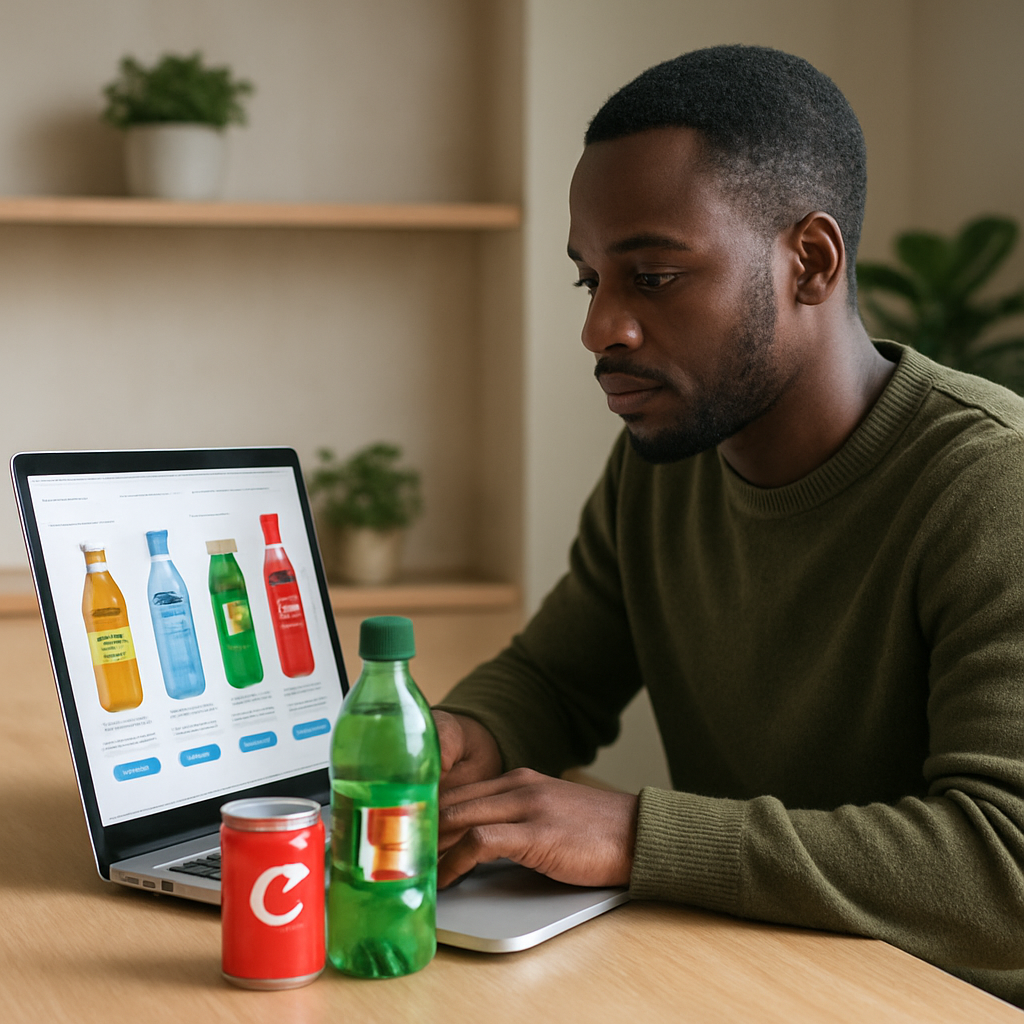
Across the continent, beverage makers are wiring themselves into the digital habits of fast‑urbanizing, youthful consumers. Competition moves at the speed of a tap: from a WhatsApp recommendation to a delivery rider’s knock, from a TikTok sip‑challenge to a corner shop reorder made via a B2B app. This article unpacks how African beverage brands actually win online—where platforms, payments, and last‑mile realities collide—and what playbooks separate the leaders from the rest.
The digital terrain: platforms, behaviors, and bandwidth realities
Several structural features shape online competition for Africa’s beverage industry:
- Mobile rules. In most markets, the web is effectively phone‑only. Industry trackers indicate that the majority of pageviews and social engagement come from handheld devices, which forces brands to design for tap, scroll, and vertical video first. This is not a preference; it’s infrastructure.
- Internet access is large and growing. Continental snapshots from 2024 place Africa’s internet users in the hundreds of millions—well above half a billion—with social media users already in the low hundreds of millions. The absolute numbers vary by source and quarter, but the direction is unmistakable: double‑digit annual audience growth in several markets, especially in West and East Africa.
- Smartphone adoption keeps rising. GSMA has reported that roughly half of connections in Sub‑Saharan Africa are now smartphones, with steady increases year over year. For beverages, this widens the addressable audience for video and social commerce.
- Chats beat apps. WhatsApp is the default “home screen of life” across much of the continent. Telegram and Facebook Messenger matter in pockets, but WhatsApp Business—catalogs, quick replies, click‑to‑chat ads—anchors demand capture, care, and reorder flows. Lean into WhatsApp or risk irrelevance.
- Language is strategy. English, French, Arabic, and Portuguese coexist with Swahili, Hausa, Amharic, Yoruba, isiZulu and dozens more. Search queries and voice notes blend languages. Winning brands architect content and customer support to be truly multilingual; “translate later” tactics lose momentum and nuance.
- Data costs shape creative. Prepaid bundles dominate and network quality fluctuates. Lightweight pages, short vertical videos, compressed images, and offline‑first app behaviors (or progressive web apps) beat heavy, glossy assets that stall at 3G speeds.
Two regulatory notes also matter. First, sugar‑sweetened beverage levies—such as South Africa’s Health Promotion Levy and Nigeria’s excise on non‑alcoholic drinks—shape messaging and product mix online. Second, alcohol advertising rules (age gating, placement, influencer disclosures) are increasingly enforced on major platforms; compliance is a branding asset, not a constraint.
From thumbstop to doorstep: the beverage purchase journey online
Discovery is social and visual
New products surface on TikTok, Instagram Reels, and YouTube Shorts, often via micro‑influencers who film at home, at university, or at pop‑up events. Facebook still carries local community reach in many cities, while X (Twitter) spikes during sports, elections, or celebrity moments. Product sampling, taste tests, “challenge” formats, and hyper‑local memes move beverages faster than polished TV‑style ads.
Consideration is chat‑based and peer‑validated
Friends ask for the “green cap one” in student WhatsApp groups; taxi drivers compare energy drinks in voice notes; parents forward back‑to‑school promotions for juice boxes. Retailer pages in neighborhoods often post daily price boards and stock availability; comments become order intake.
Conversion splits across quick commerce, marketplace, D2C, and B2B
- Quick commerce and on‑demand delivery: In major capitals, riders fulfill orders within 15–60 minutes through courier and food‑delivery apps. Beverage baskets (water, malt drinks, energy drinks) rise during heatwaves, sports nights, and power outages.
- Marketplaces and general e‑commerce: Platforms serving multiple categories remain top‑of‑funnel for search‑led discovery of multipacks and bulk buys, especially ahead of holidays and Ramadan.
- Direct‑to‑consumer (D2C): A minority of beverage brands run their own stores for limited editions, subscriptions (water, coffee), or corporate gifting. D2C margins are thinner due to logistics, but the data capture is strategically priceless.
- B2B reorder for corner shops and eateries: Retail‑tech players in Kenya, Nigeria, Egypt, and elsewhere digitize restocking for dukas, spazas, and kiosks. Beverage manufacturers use these rails to push promotions, bundles, and new SKUs directly to merchant apps.
Payments are rarely the bottleneck anymore. Mobile money rails (M‑Pesa, MTN MoMo, Airtel Money, Orange Money), card gateways (Flutterwave, Paystack, PayGate), and cash‑on‑delivery co‑exist. Checkout flows that default to the local norm lift conversion measurably.
A playbook for discoverability: search, social, and creative
Search, but make it local
- Optimize product pages for multi‑language queries mixing English/French with local languages. Include colloquialisms (“minerale,” “soda,” “malt,” “energy drink,” “no sugar”).
- Own Google Business Profiles for bottlers, depots, and walk‑in outlets. Keep hours, phone numbers, and stock notes updated—many orders start with “call now.”
- Build content around moments: heat waves, sports finals, exam seasons, fasting and iftar. Beverage intent is highly seasonal and event‑driven.
Social video that respects data and context
- Hook in the first 0–2 seconds with “sip sight” and local music cues; keep 6–15 second edits for awareness; 15–30 seconds for consideration with clear CTAs.
- Subtitles, bold product shots, and low‑bitrate exports balance impact with bandwidth limits. Offer square and vertical cuts.
- Co‑create with micro‑creators (10k–100k followers) across cities; their comments section is a qualitative focus group.
Messaging that sells without shouting
Position against functional jobs: hydration in heat and traffic; alertness for study and shift work; family treats at budget; sugar‑free choices for wellness. Pair claims with transparent nutrition tables and responsible use guidelines for caffeinated beverages. Systematically A/B test offers (free delivery thresholds, multi‑pack discounts, combo deals with snacks) per city.
Influencers, community commerce, and the chat funnel
Influence on the continent is often hyper‑local. A campus radio host, a neighborhood footballer, a nurse with a healthy‑living page—these voices convert because they are near, not famous.
- Establish a “creator bench” across key cities. Diversify age groups and languages; brief them on responsible claims and age gating.
- Deploy click‑to‑chat ads that open pre‑filled WhatsApp messages (e.g., “Hi, is the lemon zero‑sugar 6‑pack in stock in Yaba?”). Train agents to answer in the language that comes in.
- Use WhatsApp catalogs and labels for stock, FAQs, delivery windows, and returns. Bots can answer price and availability; humans handle substitution and complaints.
The outcome is an omnichannel chat funnel: awareness via social video, consideration via creator content and comments, and conversion via a guided WhatsApp checkout or a handoff to marketplace links.
Performance marketing under cost and signal constraints
Media buying that respects the market
- Reach cheaply with broad mobile placements and contextual sports/news inventory; then retarget engagers with SKU‑specific offers.
- Use geo‑fencing at neighborhood scale, but align with real distribution coverage to avoid demand where you cannot deliver.
- Favor cost‑per‑incremental‑reach and cost‑per‑content‑view over vanity clicks on low‑quality placements.
Creative that fits the pipe
- Under 1.5 MB per video when possible; cap at 720p; compress images aggressively; design for dark‑mode.
- Offer “lite” landing pages or in‑chat ordering to skip heavy web flows.
Measurement beyond last click
Most beverage sales are offline or fulfilled by third parties, so last‑click ROAS is misleading. Blend methods:
- Promo codes and unique short links by city and creator.
- Geo‑lift tests: toggle media in matched neighborhoods and read lift from retailer sell‑out or rider orders.
- Brand‑lift surveys embedded in platforms to track awareness, consideration, and purchase intent shifts.
- Marketing mix modeling once you have 18–24 months of weekly data to align spend with outcomes. Stronger attribution culture beats anecdote.
Checkout, payments, and the last mile
Frictionless checkout is table stakes. Offer what people already use: mobile money wallets for East Africa, bank transfers and cards for Nigeria and Egypt, cash‑on‑delivery where trust is still building. Show fees and delivery windows upfront. Create micro‑fulfilment “dark shelves” within existing depots to accelerate on‑demand orders.
For water and heavy packs, subscription and route planning are differentiators. Predictive replenishment (based on order cadence) plus SMS/WhatsApp reminders minimize stockouts in homes and offices. Trials show that defaulting to the customer’s last order cuts time‑to‑checkout significantly.
Winning with retailers: the quiet engine of scale
Most beverage volume still moves through micro‑retailers. Digital competition is therefore also a B2B game:
- List SKUs and promotions in merchant apps popular in your cities. Provide reliable images, pack sizes, and price breaks.
- Run retailer WhatsApp groups per route with weekly deals, new SKU education, and verified support lines to curb counterfeit claims.
- Digitize trade promotions: QR‑based rebates, instant airtime rewards, and transparent leaderboards that celebrate top outlets.
Partnerships with retail‑tech platforms in East, West, and North Africa make this smoother. The prize is superior shelf presence, fresher stock, and consistent pricing in the real world that your online campaigns are activating.
Data strategy, privacy, and durability
Third‑party identifiers are volatile; telecom and platform policies change. Durable advantage comes from first-party data built ethically:
- Zero‑party programs: quizzes to match flavors, sports brackets, Ramadan meal planners—where people volunteer preferences in exchange for value.
- Receipts‑for‑rewards: scan‑to‑claim cashback via mobile money; this ties offline buyers to digital IDs.
- Lightweight CDP practices: unify chat IDs, email, and phone around consent; segment by city, language, and product family.
- Compliance: honor local data laws (e.g., POPIA in South Africa, NDPR in Nigeria, Kenya’s Data Protection Act). Make consent status visible to agents handling chats.
Localization that outperforms
One continent, many markets—and winning playbooks reflect that diversity:
- North Africa: Arabic dialect content, football tie‑ins, Ramadan and summer heat peaks, strong card and wallet payments, marketplace adoption.
- West Africa: WhatsApp commerce is core; music collaborations (Afrobeats), student life angles, influential radio and comedy creators, strong bank transfer and mobile wallet use in select countries.
- East Africa: Mobile money assumed; hydration and wellness narratives; strong convenience culture for on‑demand delivery in urban corridors.
- Southern Africa: Mature e‑commerce pockets, content that blends English with local languages, price transparency and value packs amid inflation pressure.
This is where true localization pays: tone, talent, humor, soundtrack, and even emoji differ by region.
Category nuances: water, malt, energy, coffee/tea, alcohol‑free and alcohol
- Water: Trust and availability lead. Emphasize source, filtration, and seal integrity; map nearest stock points; schedule subscriptions for offices and households.
- Malt and alcohol‑free “near beer”: Family‑friendly positioning; food pairing; football nights; multipacks during festive seasons.
- Energy drinks: Performance narratives for study, driving, and shift work; caffeine transparency and responsible use; small and large can formats for affordability vs. value.
- Coffee/tea RTD: Morning commute and office fridge moments; bundle with pastry partners; content around productivity without burnout.
- Alcoholic beverages: Strict age gating and responsible messaging; influencer contracts with disclosure; segment content by legal frameworks per country.
- Sugar‑reduced lines: Clear claims; pair with wellness creators; explain taste technology simply; respect regional sweet‑spot preferences.
Cross‑border audiences and the diaspora effect
Digital borders are porous. Diaspora communities in Europe, the Middle East, and North America hunt for nostalgic brands online, and travelers seed demand back home through stories and reels. Smart beverage brands geo‑target diaspora clusters with retailer availability abroad and limited‑edition drops timed to cultural festivals. This creates a feedback loop of prestige and authenticity that spills back into home markets.
Mini‑vignettes: what good looks like
- Thirst in a heatwave: A West African water brand runs weather‑triggered ads in three cities; creative auto‑localizes copy to Hausa, Yoruba, and English; click‑to‑chat routes orders to nearby depots; delivery windows tighten to two slots. Result: fewer abandoned carts, faster reorders.
- Campus energy: An East African energy drink recruits 40 micro‑creators across five universities, each with a unique promo code. Geo‑lift in surrounding neighborhoods shows a clear sales bump on tournament weekends, validating the spend to finance.
- Ramadan care: A North African malt drink publishes an iftar hydration guide, partners with a grocery marketplace for bundle discounts, and schedules late‑evening delivery slots. Community sentiment improves as much as sales.
Metrics that actually matter
- Unassisted brand awareness and top‑2‑box consideration in priority cities.
- Incremental reach on mobile video among 18–34 and parents with school‑age kids.
- Cost per qualified chat (with stock in coverage) and chat‑to‑order rate.
- On‑time delivery rate and refund rate by route.
- Retailer reorder frequency and SKU depth per outlet.
- Share of search (category keywords) and social share of voice vs. peers.
- Repeat purchase interval and 90‑day retention in subscription or D2C cohorts.
- Geo‑based sales lift when media is switched on vs. off.
A 12‑month acceleration blueprint
- Months 1–2: Audit coverage and channels; fix product pages; stand up lightweight D2C or marketplace storefronts; open verified chat lines; document service‑level promises.
- Months 3–4: Launch localized video series; recruit micro‑creators; implement click‑to‑chat ads with agent playbooks; compress all creatives.
- Months 5–6: Deploy receipts‑for‑rewards and promo codes; set up geo‑lift testing; integrate mobile money refunds for CX.
- Months 7–9: Scale city‑specific bundles; formalize retailer WhatsApp groups; digitize trade promotions; pilot route‑based micro‑fulfilment.
- Months 10–12: Build MMM foundations; refine cohorts for loyalty; expand to one new city or diaspora cluster with proven assets.
Risks, realities, and how leaders mitigate them
- Counterfeits and parallel stock: Watermark images and lot codes; publish “how to verify” posts; maintain official store badges on marketplaces.
- Delivery leakage and delays: Contract SLAs with couriers; expose live ETAs to customers; offer instant wallet credits on missed windows.
- Content fatigue: Rotate formats and faces; co‑create with communities; ground creative in real events and humor.
- Policy and platform shifts: Build email/SMS/WhatsApp opt‑ins; avoid dependence on a single ad network; keep a direct relationship through chat and subscription programs.
- Privacy and compliance drift: Centralize consent logs; train agents; audit influencer disclosures and age gates quarterly.
The next frontier: AI, retail media, and programmatic OOH
Three areas are accelerating:
- Conversational commerce: Multilingual chatbots escalate edge cases to agents, quote delivery fees per neighborhood, and remember last orders. As speech‑to‑text improves for local languages, voice notes become structured orders.
- Retail media: Supermarket apps and B2B merchant platforms sell sponsored placement. Beverage brands that master these auctions will own digital end‑caps where it counts.
- Programmatic digital out‑of‑home: Smart billboards near campuses, bus hubs, and markets can trigger creative by time, weather, or event, synchronized with social bursts to compound attention.
Underneath all the tactics is a simple strategic truth: where distribution and content meet, brands win. The beverage players outpacing their peers online are those that design for mobile-first reality, make storytelling locally resonant, compete with disciplined measurement and attribution, and organize operations so that clicks translate into cold cans on a hot day. In a continent defined by youthful dynamism and digital ingenuity, the brands that master this intersection will define the next decade of refreshment.